
Survey: Tinnitus and Bowen - J Minchin-King
12 November 2026
What is Tinnitus?
Tinnitus is a symptom of a malfunction of the auditory system whereby the sufferer hears sounds in the ears and head that are not associated with any external source. Approximately 17-20% of the population suffer from tinnitus to varying degrees. For about 2% of the population tinnitus is severe and it severely disturbs the way of life of between 0.5% and 1.0% of the population. Being defined as a subjective phenomenon it is difficult to measure using objective tests such as audiometric tests. It is therefore often rated clinically on a simple scale from slight to catastrophic according the practical difficulties it imposes on the subject such as interference with sleep or disruption of daily activities. Mention should also be made of ‘objective tinnitus’ that a very small minority of tinnitus subjects suffer from. In ‘objective tinnitus an actual measurable sound does emanate from the ear usually arising from muscle spasms around the middle ear or increased blood turbulence near the ear. ( Wikipedia.org 2008, Tinnitus Assoc. of Victoria website 2008, Mosby’s Dictionary 2006
What are the Causes of Tinnitus?
It is important to realise that tinnitus itself is not a disease but a symptom resulting from a range of underlying causes.
Damage to the cochlea:
The cochlea is the organ in the ear that responds to the vibrations created by sound in the environment. It contains thousands of minute hair cells that are moved and stimulated by sound waves. This stimulation creates electrical impulses that pass through the auditory nerve to the brain, which then interprets them as sound. These tiny hair cells and nerves are extremely delicate and easily damaged. If the hairs get bent or even broken they can start sending impulses randomly or continuously to the brain even in a complete absence of external sound.
Causes of damage to or deterioration of the cochlea include:
- Excessive exposure to loud noise over a long period of time
- Age-related hearing loss (presbycusis). This process usually begins around age 60.
- Middle and inner ear infections.
- Acoustic shock. Exposure to explosive or extreme noise incidents.
- Surgery and invasive procedures done on the ear.
- Stiffening of the bones in the middle ear (otosclerosis)
- Cerumen (earwax impaction).
Note: The first two of these causes are the most common.
(Tinnitus Assoc. of Victoria website 2008, American Tinnitus Assoc. website 2008, Medicinenet.com 2008)
Disorders outside the ear but within the head or neck (somatic tinnitus):
It has long been observed that disorders in the head or neck region can have a direct causal relationship to tinnitus. Why this may be so is somewhat obscure but it is hypothesized that it may be due to “crosstalk” within the brain, as certain head and neck nerves enter the brain near regions known to be involved in hearing.
Causes of somatic tinnitus include:
- Accidental trauma or injury to the head or neck eg. Fracture or whiplash
- Nasal passage, dental, or other head surgery.
- TMJ disorder and other dental disorders.
- Thyroid disorder
- Multiple sclerosis
(Wikipedia.org 2008, medicinenet.com 2008)
Sinus Tinnitus:
The tinnitus experienced by sinus and allergy sufferers is caused through a thickening of the mucous in the middle ear. Mucous membranes surround the middle ear and perform the vital function of cleansing the middle ear. Ideally, this mucous then drains out of the middle ear via the Eustachian tubes and into the throat. However, if the mucous becomes too thick and viscous (usually because of long-term medication use) it will accumulate resulting in a build-up of pressure and consequent tinnitus.
Causes of sinus tinnitus include:
- Adverse reactions to long-term use of antihistamines to control rhinitis and allergies.
- Adverse reactions to long-term use of antibiotics used to control sinusitis.
( MedlinePlus website 2008, Tinnitus Assoc of Victoria website 2008, Tinnitusjournal.com 2008 American Tinnitus Association website 2008 )
Stress Tinnitus:
It has long been known that stress will aggravate tinnitus if you already suffer it but long exposure to stress is also a major cause of tinnitus in a healthy person. The hypothalamus and related structures in the brain can all play a part in causing tinnitus. The hypothalamus controls many systems in the body, including the pituitary gland, which in turn controls the endocrine organs, and the autonomic nervous system. The hypothalamus, and the organs in the brain it controls are responsible for producing essential chemicals needed to make us function normally. The hypothalamus is severely affected by shock, grief, and long continued stress. When one is subjected to long periods of stress, shock or grief, those essential chemicals are not produced by the hypothalamus as they should be and many unhealthy conditions can occur including tinnitus.
Causes of ‘stress tinnitus’ are very subject-oriented and can include any factor upsetting the emotional stability of a sufferer particularly when present long-term. Depression and anxiety disorders are common factors of ‘stress tinnitus’.
(ABC Health Report 18/8/97, MedlinePlus website 2008, Medicinenet.com 2008, Tinnitus Assoc. of Victoria website 2008)
Meniere's Disease:
Meniere’s disease is an inner ear disorder that causes one to experience periods of vertigo, dizziness, nausea, ear pressure and tinnitus. It is a chronic condition that usually lasts two to four hours and normally leaves the subject feeling exhausted. Attacks often occur in clusters with breaks in between clusters that can last weeks, months, or years. Unfortunately the tinnitus usually remains between the bouts.
The cause of Meniere’s Disease symptoms is the fluctuation in the levels of trace elements in the fluid of the inner ear. Normally the fluid-filled hearing and balance structures of the inner ear function independently of the body’s overall fluid/blood system. The fluid of the inner ear is maintained at a constant volume containing specific concentrations of sodium, potassium, chloride, and other electrolytes. In Meniere’s Disease this independent control is lost and the volume and concentration of the inner ear fluid fluctuates with changes in the body’s fluid/blood. This fluctuation of volume and trace element concentration causes a feeling of ear pressure or fullness in the ears leading to vertigo, dizziness, imbalance and tinnitus. (Medicinenet.com 2008, American Tinnitus Assoc. website 2008, Tinnitus Assoc. of Victoria website 2008, ABC Health Report 18/8/97 )
Drug Induced Tinnitus:
Various classes of drugs are recorded as having a tinnitus-inducing effect on some subjects.
Antibiotics and antihistamines have already been mentioned in relation it sinus tinnitus but other recorded tinnitus-inducing drugs include chemotherapy, antiviral drugs, aspirin, diuretics, and quinine. Products containing caffeine, nicotine, red wine and even spicy foods have been reported as exacerbating tinnitus symptoms in sufferers also.(Wikipedia.org 2008)
Bowen Therapists Dealing With Tinnitus 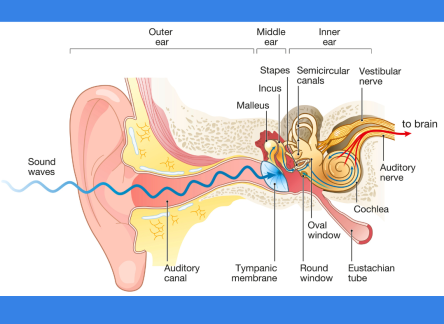
A questionnaire was devised to enquire into how experienced bowen therapists were dealing with tinnitus, their perceived success rates, and factors they believed had a bearing on its treatment.
The questionnaire was sent to 85 Bowtech instructors from Australia and around the world by letter and email. Twelve emails were returned by the server as undeliverable leaving seventy-three contacted. Seventeen replies were received. Of the seventeen replies received five did not complete the questionairre. Their stated reasons were to do with little or no experience treating tinnitus.
Survey Conclusions:
The percentage of replies to the request to complete the questionnaire was 20% and nearly a third of those declined to complete it because, as they indicated, they had little or no experience of treating tinnitus. This seems somewhat low and various reasons may be speculated. Perhaps the lack of experience with tinnitus led many to simply ignore the request. Perhaps because it was sent during the Christmas/new year period people were busy and could not find the time. Perhaps also, people are less inclined to respond to an email request than a letter. The answer could be due to some or all of these reasons but the information gained from those who did respond is both interesting an informative.
The average estimated ‘presenting’ rate of tinnitus was 2.4%. This is very close to the estimated rate of 2% of people suffering severe tinnitus in the population claimed by medical authorities. As the incidence for mild tinnitus is 17%-20% of the population it also indicates that by and large people suffering from mild tinnitus are not seeking assistance from bowen therapists.
When treating tinnitus respondents were taking the same or a greater number of sessions than their average for all conditions and treatment outcomes were quite a mixed bag. 43% of clients treated had no improvement and only 10% complete resolution. The rest were divided between ‘some improvement’ and significant improvement’. Only just over a third (37%) were claimed as either completely resolved or significantly improved. These rates of success, especially from experienced practitioner/instructors are low in comparison to rates of success expected in many areas such as back pain, sciatica, carpal tunnel syndrome, migraines, asthma, digestive disorders etc.
Respondents identified the likelihood of success in treating tinnitus as mostly related to its cause with cochlea damage the hardest to treat. This lines up with current medical views such as those expressed by the Tinnitus Association of Victoria that in cases of injury or disease to the cochlea treatment of any form does not have a good prognosis. The emphasis this association and others have is on a concept called ‘habituation’. Basically, this means getting used to it as far as is possible so that it interferes in the least possible way with the sufferer’s life. This involves working through reactions of stress and frustration as these only serve to increase the symptoms and create a cycle of increasing distress.
The respondents identified causes other than cochlea damage as much more responsive to treatment. These causes, stress, sinusitis, allergy, Meniere’s Disease, and TMJ misalignment, we know can respond very well to bowen therapy and provide hope of a positive outcome for the sufferer seeking help.
As well as the recommended BRMs (Core 1,2,3) and TMJ procedures, the Respiratory (Diaphragm) and Kidney procedures were also procedures used by respondents treating tinnitus. The effect of these procedures tie in with the causes of tinnitus respondents found easiest to deal with.
Summary
The treating of tinnitus by Bowen Therapy is probably not as successful as it is for many other conditions. As one respondent with many years experience wrote at the conclusion of the questionairre, ‘only to reiterate: some major successes and some major failures’.
Cochlea damage, usually due to long-term exposure to noise, injury, disease, or age-related degeneration is commonly regarded as very difficult to cure in the medical world, with management rather than treatment being the preferable course of action. Though we ‘never say never’ in bowen therapy in such cases where cochlea damage is suspected, it would pay the therapist not to get the client’s hopes up too highly and consider referral to a local tinnitus association where advice and support can be given in managing their condition.
As cochlea damage is regarded as the most common cause of tinnitus I believe this explains why the success rates of the respondents was limited.
In situations where the cause of tinnitus is suspected as stress, sinus related, TMJ related, or Meniere’s disease expectations would seem to be more positive and more in line with our normal rates of success. It should also be mentioned that stress can be a component of tinnitus caused by cochlea damage and the ease of stress and help with sleep facilitated by bowen therapy may well help reduce the severity of symptoms initially initiated by cochlea damage.
In situations where the tinnitus sufferer is on medication it would be advisable to get the client to check if tinnitus symptoms are a possible side effect of the medication, and if so, to follow up with their doctor regarding possible alternatives.
Tinnitus can be a distressing and debilitating condition. As bowen therapists we should not shy away from trying to assist sufferers even though our experience of it may be limited or we have not had success in the past. We should however be realistic with our clients and not raise expectations that cannot be met. We should also be prepared to work with local associations and other modalities and disciplines that can help people deal with stress and nutrient imbalances.
References
Harris P., Nagy S., Vardaxis N., 2006, Mosby’s Dictionary of Medicine, Nursing, & Health Professions, 1st Australian Edition, Elsevier, Sydney, Australia
Websites:
www.abc.net.au Health Report 18/8/97: Tinnitus
www.ata.org American Tinnitus Association
www.medicinenet.com Tinnitus Causes, Symptoms, Diagnosis, Treatment and Prevention
www.nlm.nih.gov MedlinePlus: Tinnitus
www.tinnitusjournal.com International On-Line Tinnitus Journal
www.tinnitusvic.asn.au Tinnitis Association of Victoria
www.wikipedia.org Wikipedia, The Free Online Encyclopedia


